
Two guilders and thirty cents
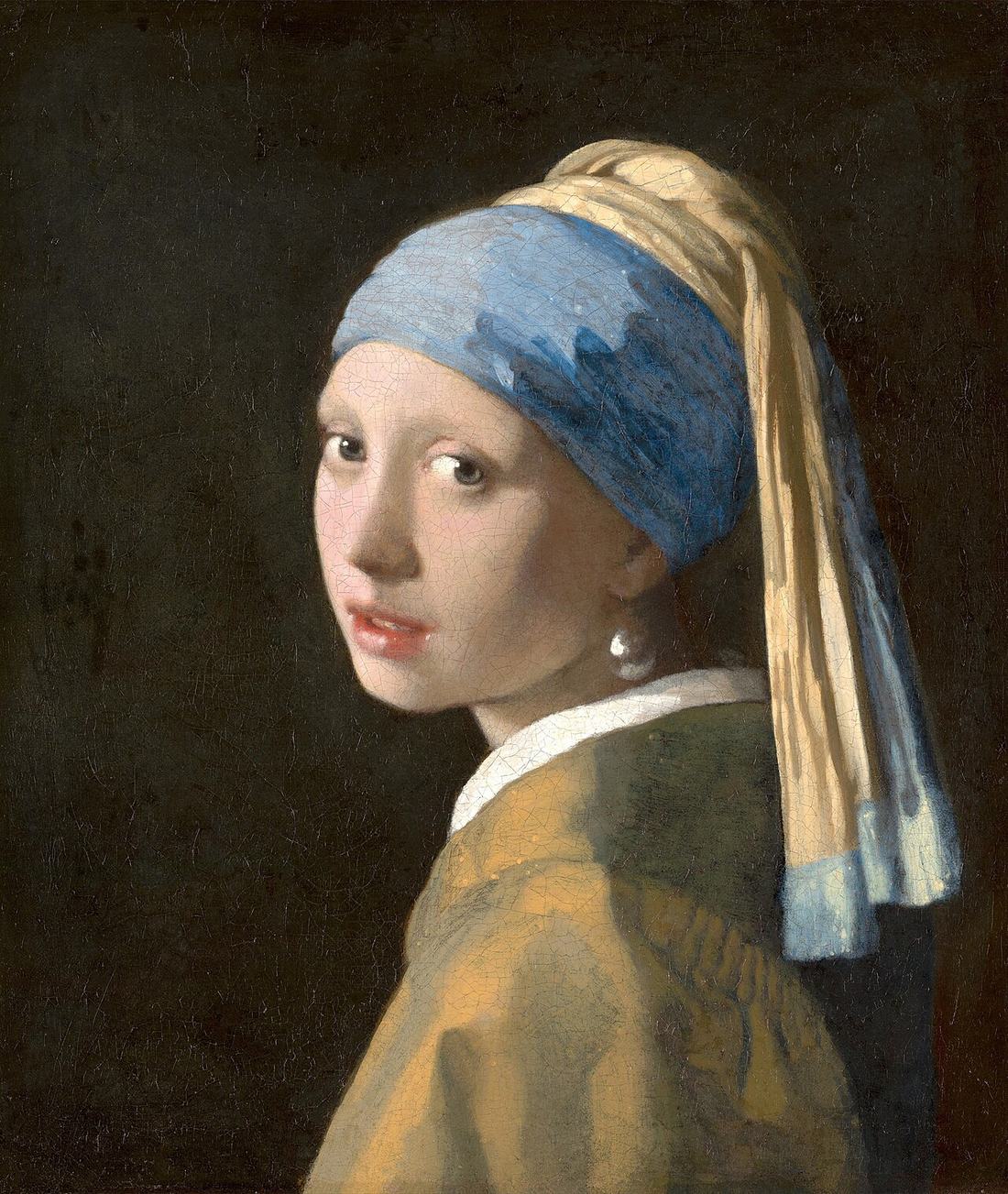
In 1881 a collector named Arnoldus des Tombe went to a sale at the Venduehuis in The Hague and bought a small, dark, filthy canvas of a girl in a turban. He paid two guilders plus a thirty-cent commission. It was catalogued without a confident author, overpainted and varnished into obscurity, and to most of the room it looked like nothing much.
One other person knew better. Victor de Stuers recognised it as a Vermeer and, being a friend of Des Tombe, agreed not to bid against him.
The most recognisable face in Dutch painting changed hands for the price of a decent lunch, because two men in a saleroom knew something the catalogue did not.
What actually changed
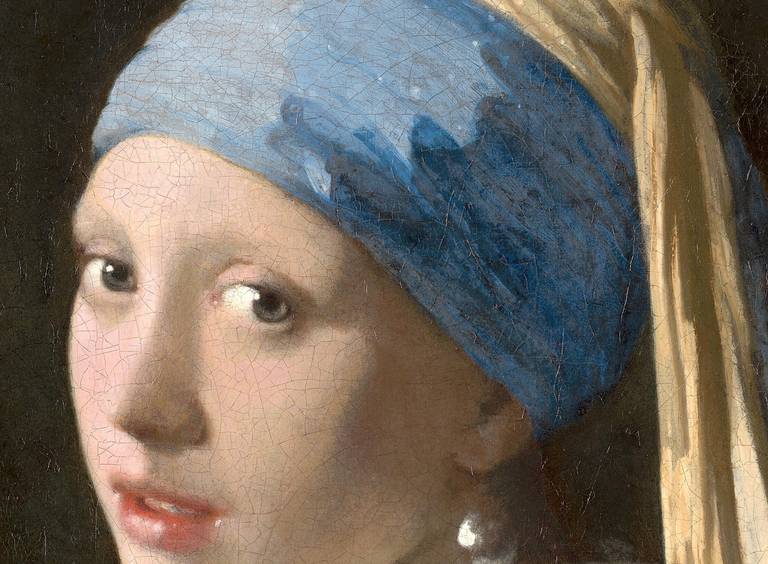
Nothing about the object. The same canvas, the same pigments, the same two strokes of lead white that make the pearl. What changed was the state of knowledge around it: cleaned, studied, published, hung, accepted as Vermeer. Value followed the knowledge, not the paint.
This is the mechanism behind every masterpiece-in-a-garage story you have heard. The picture was never worth nothing. It was worth nothing that anyone could prove.
Attribution is not a formality that follows value. It is the thing that creates it.
Why a Vermeer could go unnoticed
Partly because there are so few. Only around thirty-five paintings are accepted as Vermeer's, and for two centuries after his death in 1675 he was a minor local name — his rediscovery is a nineteenth-century event, driven by the critic Théophile Thoré-Bürger in the 1860s. In 1881 the machinery for recognising a Vermeer barely existed.
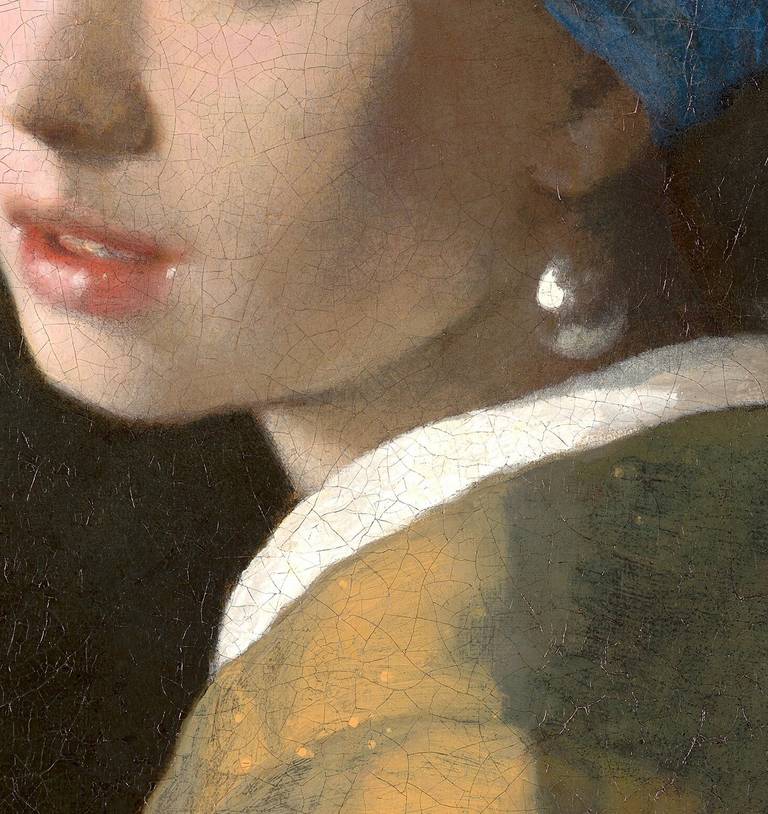
Partly because of what it is: not a portrait but a tronie, a head study in exotic dress made to show off the handling of light and fabric. Tronies were cheap and plentiful. Under two centuries of yellowed varnish, this one had every reason to be filed as one more anonymous head.
The reverse tells you as much as the front
Des Tombe bequeathed the painting to the Mauritshuis in 1902, and its history reaches back further — probably to the Dissius sale in Amsterdam in 1696, where Vermeers went for between seventeen and thirty-six guilders. That written trail is provenance, the second lever on value after attribution.
Which is why the back of a painting is often more informative than the front. Stencils, chalk numbers, exhibition labels, dealer stamps, an old lot ticket: each is a hook to hang a date and a place on. Strip them off, or reframe an old picture and bin the backboard, and you destroy value nobody can put back.
- Photograph the reverse before anything else, labels and stretcher marks included.
- Keep old frames, backboards, receipts and correspondence together with the work.
- A gap in the chain between 1933 and 1945 requires proper research, not optimism.
What it is worth now
No figure, for the same reason as any museum masterpiece: the Mauritshuis is not a seller, so no buyer has ever had to name a price. The museum has written about the question and declines to answer it, which is the honest position. When the work travels it goes under an agreed indemnity value — a limit on a liability, not a valuation.
The same object can be worth two guilders or beyond price, depending entirely on what is known about it.
Where to begin with an unattributed painting
Do not clean it. Amateur cleaning is the commonest way value is destroyed, and it is irreversible. Photograph it in daylight, front and back, with a raking-light shot across the surface and a close frame of any signature. Then look for a name before you look for a number.
The Art Identifier will read those photographs and return a likely hand, period and range. It is not an attribution. The house examines nothing in person, issues no certificates and appraises nothing — a real attribution comes from a specialist in that artist, a real valuation from an independent appraiser.